Cassara, Ernest
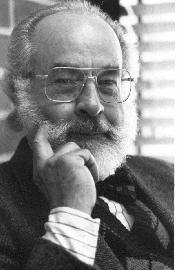
Ernest Cassara (June 5, 1925-April 10, 2015) was a Unitarian and a Universalist minister, a scholar of American Universalism, and a professor of history. He taught at Tufts University, Goddard College, Albert Schweitzer College, and then for twenty years at George Mason University.
 Owen Glenbrook Hansen (September 24, 1923-August 30, 2006) was born into a family with a strong tradition of independent thought: Pacifism and freethought on his father’s side; Unitarianism and vegetarianism on his mother’s. Raised on a farm in rural New Zealand during the Great Depression, he became proficient in a broad range of agricultural and mechanical pursuits.…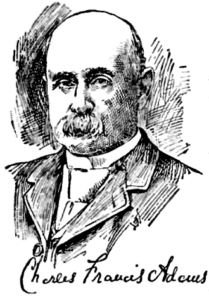
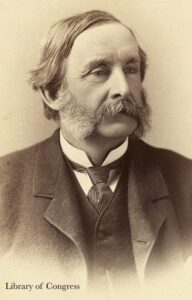 Thomas Wentworth Higginson (December 22, 1823-May 9, 1911) was one of the most distinguished and multi-talented Unitarians of the nineteenth-century, yet few people today are aware of his prominence or the extent of his interests and achievements. Minister, author, activist, lecturer, soldier, naturalist, physical fitness enthusiast—he was all of these things and more.…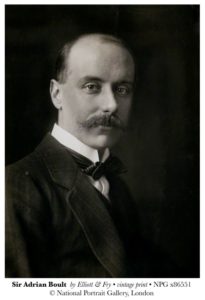
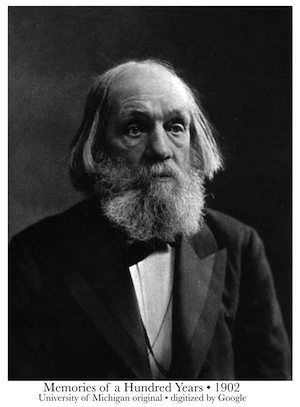
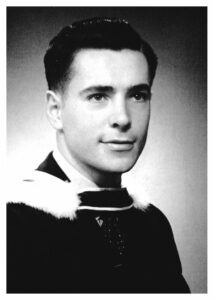 Lincoln Ashton Gribble (March 12, 1930-August 8, 2012) came from a family long associated with Unitarianism. From an early age he harbored the desire to become a Unitarian minister, a goal he finally reached after schooling at Manchester College in Oxford, England.…