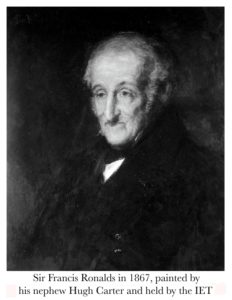
Agassiz, Elizabeth Cabot Cary
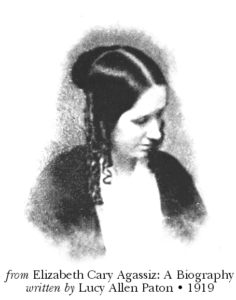
Elizabeth Cabot Cary Agassiz (December 5, 1822-June 27, 1907) was an early advocate for the education of women. However, she was conservative about women’s rights. Instrumental in the founding of the Harvard Annex—later Radcliffe College, she would serve as its first president.
Agassiz, Elizabeth Cabot Cary Read More »
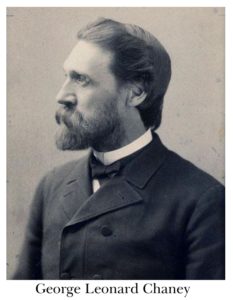 George Leonard Chaney (December 24, 1836-April 19, 1922) was an established New England Unitarian minister whose major contribution to Unitarianism was his work in the southern United States following the Civil War. Although his orthodox Liberal Christian theology placed him on the conservative end of the Unitarian spectrum, he was a visionary who brought Unitarianism to the south.
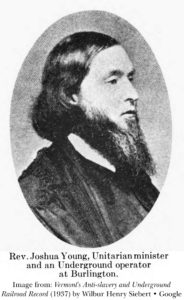
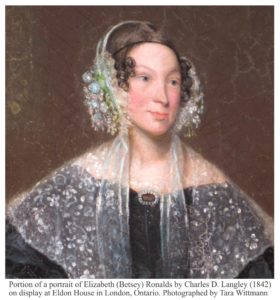
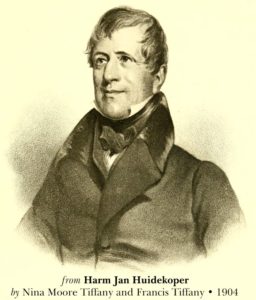
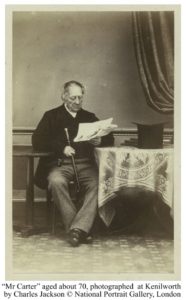 Samuel Carter (May 15, 1805-January 31, 1878) was a lawyer who shaped the legal codification and business practices of the early railways in England. For nearly four decades he was solicitor to two of the corporations that created Britain’s rail network.…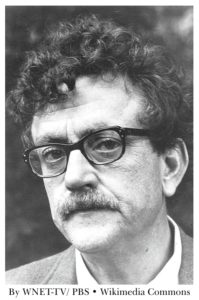
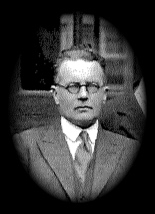 William Joseph McEldowney (1889-1967) was an accountant and lawyer before switching—in mid-life—to the Unitarian ministry. Raised among Methodists and Presbyterians, he was in his forties when he started attending Unitarian services in Wellington, New Zealand. Attracted to the ministry, he enrolled at Manchester College, Oxford in England.…
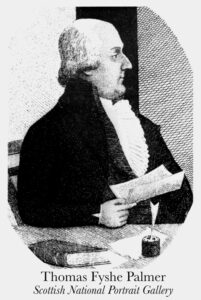 Thomas Fyshe Palmer (July 1747-June 2, 1802) was one of five, eighteenth-century British political reformers, who came to be known as “The Scottish Martyrs”. Palmer was born in England, educated at Cambridge University, and ordained to the Anglican clergy before falling under the influence of Joseph Priestley.…