Burleigh, Celia
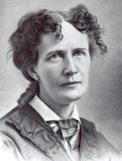
Celia Burleigh (September 18, 1826-July 25, 1875) was ordained at Brooklyn, Connecticut, on October 5, 1871, the first woman to enter Unitarian ministry. Had this event not occurred, she would be remembered chiefly as a writer, editor, public speaker, and activist in a number of reform movements, preeminently women’s rights.
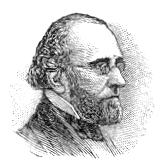
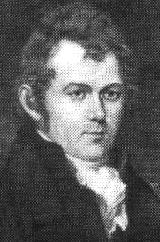 Robert Aspland (January 13, 1782-December 30, 1845), father of organised Unitarianism in Great Britain, was the most widely known Unitarian minister of his day. He was amongst the most powerful and influential—some thought domineering—of Unitarian figures.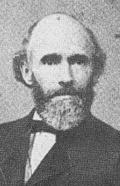
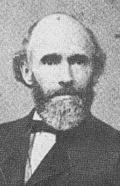 John Sullivan Dwight (May 13, 1813-September 5, 1893) made important contributions to the Transcendentalist movement. A dedicated member of the
 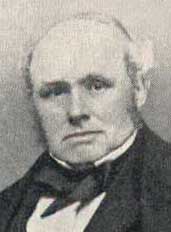 Robert Brook Aspland (January 19, 1805-June 21, 1869), son of
  Rod Serling (December 25, 1924-June 28, 1975), one of television’s most prolific writers, is best known for his science fiction television series, The Twilight Zone. He believed that the role of the writer was to “menace the public conscience.” Throughout his life Serling used radio, television, and film as “vehicles of social criticism.”…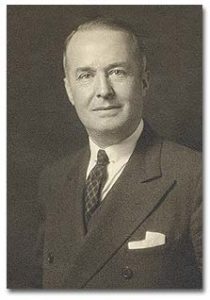
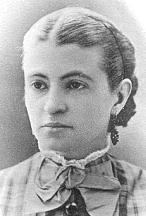 Sallie Ellis (March 13, 1835-December 27, 1885), an infirm lay evangelist in Cincinnati, Ohio, created the work of the first Unitarian Post Office Mission which led eventually to organization of the modern Church of the Larger Fellowship. She sent literature to and corresponded with Unitarians and religious seekers who lived far from established Unitarian congregations.…
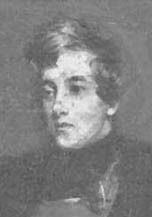 Thomas Gold Appleton (March 31, 1812-April 17, 1884) wrote that in his day, “forms of luxury and self-indulgence displace the severe austerities of our fathers; but under it all still lives the New England conscience.” His words apply to his own career as an essayist, amateur artist and poet, collector and patron of the arts, and a celebrated Boston character or “wit.”…