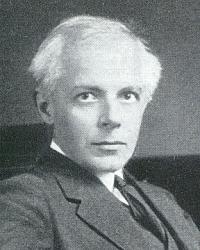
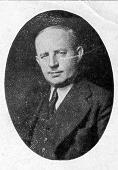
Ferguson, Jesse Babcock

Jesse Babcock Ferguson (January 19, 1819-September 3, 1870), a renowned orator and minister in the Antebellum South, converted to universalist and unitarian beliefs. His conversion created turmoil in his own large Nashville church and throughout the region.
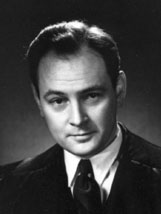
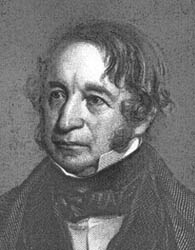 Nathan Appleton (October 6, 1779-July 14, 1861) was a merchant, manufacturer, financier, politician and philanthropist, best known as a pioneer in establishing textile manufacturing in New England. Repelled by the human suffering and social disruption that accompanied the rise of the factory system in Britain, he sought to develop an American alternative that would rival the success of British manufacturing while avoiding its demoralizing effects.…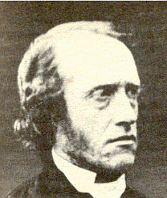
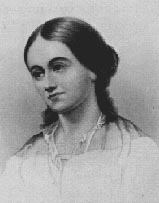 Margaret Fuller (May 23, 1810-July 19, 1850) “possessed more influence on the thought of American women than any woman previous to her time.” So wrote Susan B. Anthony and Elizabeth Cady Stanton in their 1881 History of Woman Suffrage. Author, editor, and teacher, Fuller contributed significantly to the American Renaissance in literature and to mid-nineteenth century reform movements.…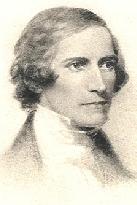
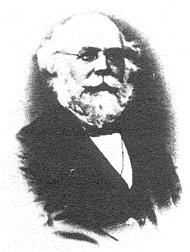
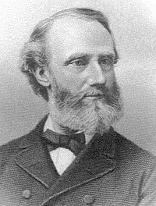 William James Potter (February 1, 1829-December 21, 1893), born in Dartmouth, Massachusetts, was a Unitarian minister, a founder, Secretary and President of the Free Religious Association, and President and later Editor of The Index. For more than forty years Potter was perhaps the leading public citizen of New Bedford, Massachusetts.…
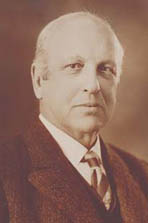 Samuel Atkins Eliot II (August 24, 1862-October 15, 1950) was the first president of the American Unitarian Association (AUA) to be given executive power; he held this office from 1900 to 1927. In 1925 the two major American Unitarian organizations, the AUA and the National Conference of Churches (NCC), were merged under his leadership.…