Davis, Earl Clement
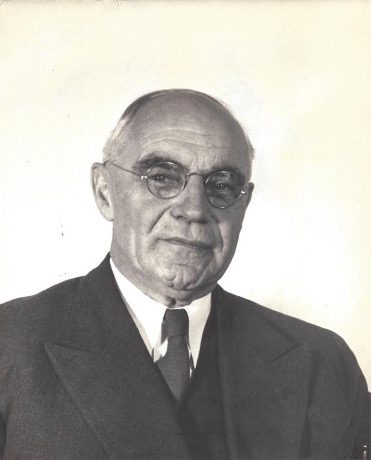 Earl Clement Davis (June 3, 1876 – May 19, 1953) was Unitarian minister of the first half of the twentieth century who understood modern life as requiring freedom, discovery , and consent. He ran for public office as a Socialist. He vigorously supported congregational polity and opposed any religious creed or over-sight of an individual’s religious thinking.…
Davis, Earl Clement Read More »
 As the Minister of All Souls Unitarian Church in Indianapolis, Indiana, from 1905 to 1938, Frank (Smith Calthrop) Wicks
 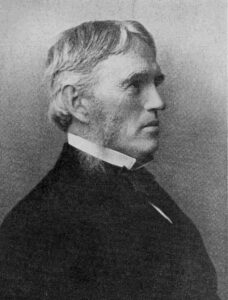 Horatio Stebbins
 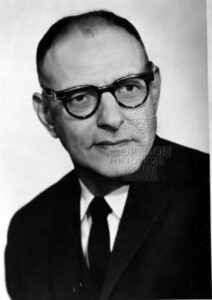 Richard Morrow Steiner (1901-1975) was senior minister of the First Unitarian Church in Portland from 1934 to 1965. An inspirational preacher, he helped rebuild the congregation after a decline during the Great Depression. As an advocate of the social gospel, he was personally involved in the community and inspired others to a life of social action.
 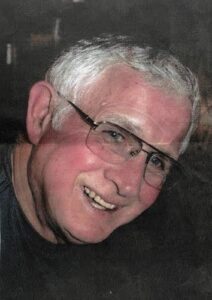 David Oran Rankin (June 10, 1937–April 5, 2024) was one of the most eloquent and influential Unitarian Universalist ministers of the late 20th century, serving congregations in Watertown and New Bedford, Massachusetts; San Francisco, Atlanta, and Grand Rapids, Michigan. Rankin sometimes described himself as a “Christian anarchist.”…
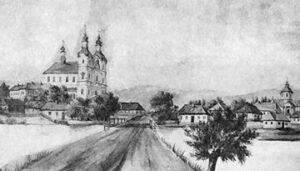 Krzysztof Sieniuta, his nephew Piotr Sieniuta, and Piotr’s son, Aleksander Krzysztof Sieniuta, were Polish noblemen and patrons of the Polish Brethren (Arians) in Wołyń. The Polish Brethren flourished in 17th Century Poland, a period of relative religious toleration between the Reformation and the reassertion of Roman Catholic control.…
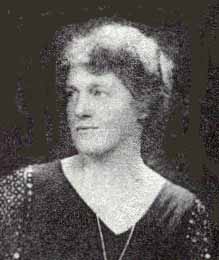 Olive Higgins Prouty (January 10, 1882-March 24, 1974) was an American novelist, most active in the period between the First and Second World Wars. In this interval between women’s suffrage and women’s liberation, when few openly questioned the notion that a woman’s fulfillment is to be found in a subordinate role, Prouty insisted on the importance, for women as well as for men, of independent judgment, freedom from illusion, and full personal responsibility for one’s actions.…
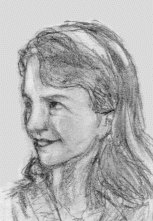 ylvia Plath (October 27, 1932-February 11, 1963) was a poet, literary critic, novelist, diarist, correspondent and sometime social activist. On the evidence of her intensely confessional poetry, Plath’s personal theology was humanist, with a leaning toward nature mysticism. Throughout her short life she associated closely with the Unitarian church.…